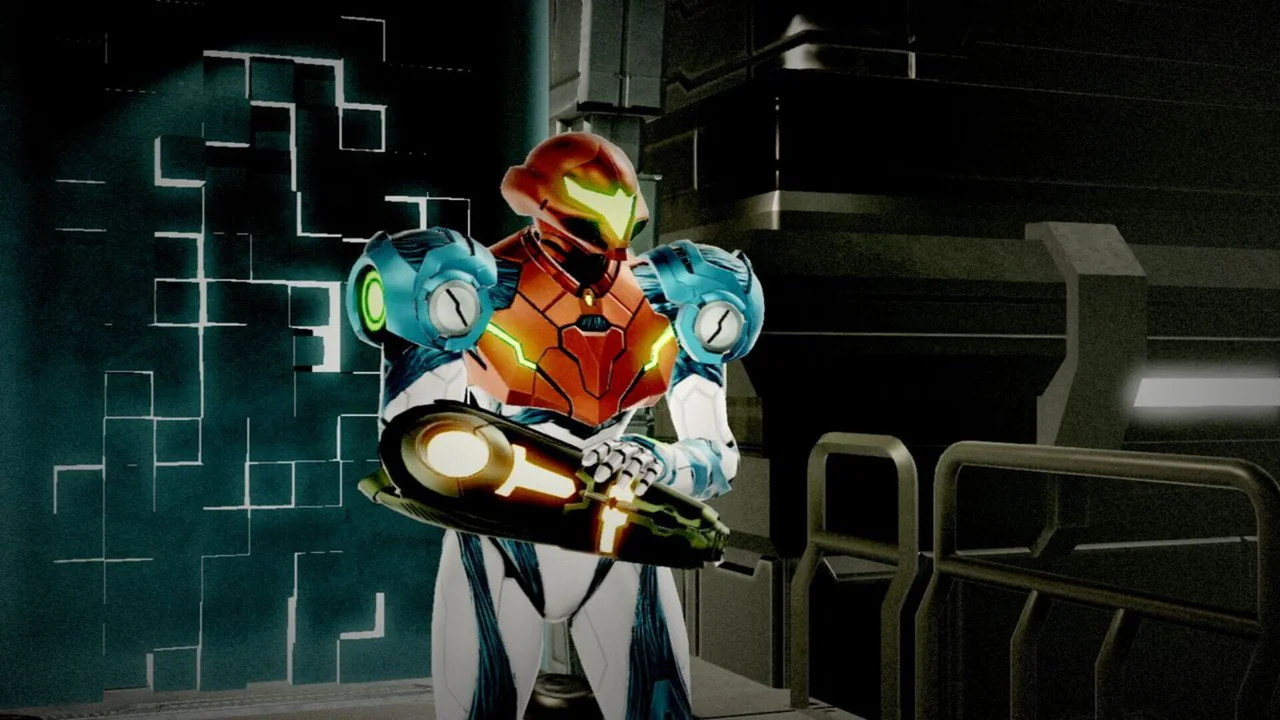
The Greatest Metroidvania Games Ever Made
These are the greatest metroidvania games ever made. Thirty entries covering decades of exploration, ability gating, and maps that reward coming back.
Metroidvania is one of those genre names that took decades to stick but describes something players recognized long before anyone had a word for it. The formula, exploration locked behind abilities, maps that reward backtracking, and the sense of a world opening up as you grow stronger, traces back to some of the most influential consoles Nintendo ever built and a Castlevania entry on the original PlayStation that changed what the series could be.
What's shifted in the last decade is the sheer volume of excellent games carrying that tradition forward. Team Cherry built something remarkable in their Melbourne studio and reshaped expectations for what a small independent team could accomplish in the genre. Retro Studios demonstrated the formula translated to first-person perspective without losing any of what made it special. Honestly, right now might be the best time in history to be a fan of these games, and this list reflects that breadth, drawing from player ratings and critical consensus across every era.
Here's how things stacked up.
Latest Updates
We track every change to our lists to ensure they are always fresh & up-to-date with the latest games & updates. Below you can find a log of every change to this list for the last month.
July 26, 2026
July 26, 2026
July 19, 2026
July 19, 2026
July 18, 2026
Similar Lists

Rankings are determined by our algorithm and updated daily using user and critic ratings, quality signals, and community engagement. Learn how we rank games.
Guacamelee!
DrinkBox Studios' Lucha Libre brawler approaches the genre from the combat side first, with dimension-shifting mechanics that let players swap between the world of the living and the dead to navigate obstacles and extend combos. The humor is consistent and mostly lands, and the move set gives melee combat a depth that most metroidvanias don't prioritize. A creative genre entry that holds up well over a decade later.
More about this game · Platform · Puzzle · Hack and slash/Beat 'em up · Adventure · Indie · Action · Fantasy · Comedy
The Messenger
Sabotage Studio built a game with a structural surprise at its center that changes everything about how you approach the second half. The 8-bit and 16-bit aesthetic toggle tied to time periods is a clever piece of design that adds more than visual variety. The writing is self-aware without becoming irritating, and the shopkeeper dialogue has more personality than most games manage with their main characters. A creative and confident debut.
More about this game · Platform · Adventure · Indie · Arcade · Action · Comedy
Ender Lilies: Quietus of the Knights
Live Wire's debut is built around a combat system where Lily channels the spirits of fallen knights as her weapons, with each spirit having distinct attack patterns and upgrade paths. The atmosphere leans heavily on a drowned, overgrown aesthetic that the art team commits to consistently. The difficulty is steep, particularly with some of the late-game boss encounters, but the dark lore rewards players who read item descriptions carefully.
More about this game · Platform · Role-playing · Adventure · Indie · Action · Fantasy
Metroid Fusion
The most linear game in the Metroid series is also one of the most atmospheric. The SA-X, an X parasite mimicking Samus at full power, creates a pursuit dynamic that the series would later revisit and expand on considerably. The restricted structure frustrated some fans at the time, but it gives the game a pacing and tension that more open-ended Metroid games rarely achieve. The BSL Research Station is one of the best-realized locations in the series.
More about this game · Shooter · Platform · Adventure · Action · Science fiction
Metroid Prime 3: Corruption
The Wii entry uses motion controls for beam targeting and grapple mechanics in ways that aged surprisingly well, and the multi-planet structure gives it more tonal variety than the other Prime games. The Dark Samus arc concludes here, and the story is the most narratively ambitious the series had been to that point. Not the tightest Prime game in terms of level design, but worth playing for how it expands the series' scope.
More about this game · Shooter · Platform · Adventure · Action · Science fiction
Castlevania: Aria of Sorrow
The soul absorption system, which gives Soma Cruz random passive and active abilities from defeated enemies, is one of the best progression mechanics in the IGA-era Castlevania games. The GBA hardware limited what the game could do visually, but the design is tight and the enemy variety keeps the ability hunting interesting throughout. The story takes the series in an unexpected direction that later games built on successfully.
More about this game · Platform · Role-playing · Adventure · Action · Horror
Fez
Polytron's puzzle platformer uses its 2D-to-3D rotation mechanic as a lens for exploring a world full of cryptic symbols and hidden language systems that extend well beyond the main game. The surface level, rotating platforms to align paths and navigate Gomez's world, is satisfying on its own. The deeper puzzle layer involving actual codebreaking and community-led discovery is where Fez becomes something unusual. Not a traditional metroidvania, but the exploration DNA is unmistakable.
More about this game · Platform · Puzzle · Adventure · Indie · Fantasy · Open world
Resident Evil
The GameCube remake earns its metroidvania tag through the Spencer Mansion's key-and-door structure, the interconnected room design, and the way each new item opens new routes through spaces you've already seen. The Crimson Heads, which arise from unburned enemy corpses, add a resource management layer to revisiting rooms that the original didn't have. Still the best entry point for the series and one of the finest remakes ever made.
More about this game · Shooter · Puzzle · Adventure · Action · Horror · Survival
Blasphemous
The Game Kitchen's debut is built around the visual language of Spanish Catholic iconography and commits to it completely. The Penitent One's world is dense with imagery that tells its story through environmental detail rather than dialogue. The combat has deliberate weight to it and some rough collision detection in the base game, but subsequent patches smoothed out the worst of it. A strong debut with a setting unlike anything else in the genre.
More about this game · Platform · Role-playing · Hack and slash/Beat 'em up · Adventure · Indie · Action · Fantasy · Horror
Metroid: Samus Returns
MercurySteam's 3DS remake introduced the melee counter system that gave the Metroid encounters, the game's central recurring boss fights, genuine tension and variety they lacked in the original. The amiibo locking of some content was a real annoyance at launch, but the core game is a thoughtful remake of a classic that had been largely inaccessible for decades. The series built meaningfully on what this one introduced.
More about this game · Platform · Adventure · Action · Science fiction
SteamWorld Dig 2
Thunderful's underground platformer builds its world downward rather than outward and uses that vertical structure to create a sense of depth that feels different from most horizontal metroidvanias. Dorothy's gear upgrades change how you approach the tunnels in satisfying ways, and the pacing is tighter than the first game. One of the more accessible entry points for players new to the genre who want something less demanding than the top of this list.
More about this game · Platform · Puzzle · Adventure · Indie · Action · Science fiction
Metroid: Zero Mission
The GBA remake of the original Metroid transforms one of the most notoriously cryptic NES games into a focused and approachable adventure without losing what made the original feel dangerous and mysterious. The Space Pirate stealth section added to the back half is one of the more unexpected design detours in the series and changes the tone in ways that pay off during the finale. Still the best way to experience the original story.
More about this game · Shooter · Platform · Adventure · Action · Science fiction · Open world
Bloodstained: Ritual of the Night
Koji Igarashi's Kickstarter-funded return to the formula he helped define delivered exactly what backers hoped for and was unapologetic about it. The shard system, which absorbs abilities from defeated enemies, creates a build customization loop that the IGA-era Castlevania games were always building toward. It's a game made by someone who knew exactly what they were making and why, and that clarity shows throughout.
More about this game · Platform · Role-playing · Adventure · Action · Fantasy · Horror
Ori and the Blind Forest: Definitive Edition
The Definitive Edition adds two new areas and refines some of the difficulty spikes from the original release. Mount Horu's additions give the final section more breathing room, and the new abilities provide more options for movement-focused players. If you're playing Ori for the first time, this is the version to start with, though the core of what makes the game special was already there at launch.
More about this game · Platform · Adventure · Action · Fantasy · Open world
Blasphemous II
The Game Kitchen's follow-up expands significantly on the original's grim Spanish-influenced world and improves the combat by introducing three starting weapons that play meaningfully differently from one another. The art design is still the main draw, with sprite work that belongs in a museum and environmental storytelling told through item descriptions that reward reading everything. Harder and denser than the first game in ways that mostly pay off.
More about this game · Platform · Role-playing · Hack and slash/Beat 'em up · Adventure · Indie · Action · Fantasy
Animal Well
Billy Basso's solo debut is a hidden object game disguised as a metroidvania. The items you collect change how you move through the world in small, non-obvious ways, and the puzzle density rewards players who pay attention to things the game never explicitly points at. The atmosphere is strange and unsettling in a way that feels entirely its own, and the depth of the secrets extends well beyond what a typical first playthrough reveals.
More about this game · Platform · Puzzle · Adventure · Indie · Action · Horror · Survival · Mystery
Dark Souls II
The most contested entry in the Souls series also has some of the most interesting gate-locked progression structure of any game in the genre. The bonfire ascetics and the power stance system gave players mechanical options that the other entries didn't have. The world design is the weakest of the trilogy, but individual areas like Shulva and Brume Tower are among the best content FromSoftware has ever produced.
More about this game · Role-playing · Adventure · Action · Fantasy
Demon's Souls
The original FromSoftware Souls game earns its metroidvania tag through the Archstone hub structure and the way new shortcuts and passages reveal themselves as you understand each world more deeply. The interconnected design of some areas, particularly Latria's prison tower, creates the sense of a space that exists beyond what the player can immediately see. The Bluepoint remake made this accessible to a new generation without changing what made it work.
More about this game · Role-playing · Adventure · Action · Fantasy · Sandbox · Open world
Nine Sols
Red Candle Games brought the Sekiro-style deflect parry system into a 2D Taoist sci-fi setting and built one of the most demanding and rewarding action games in the genre around it. The combat is built entirely on timing and reading enemy patterns rather than stats or level advantages. The world design and lore draw from Eastern mythology in ways that feel specific and considered rather than decorative.
More about this game · Platform · Hack and slash/Beat 'em up · Adventure · Indie · Action · Fantasy · Science fiction
Prince of Persia: The Lost Crown
Ubisoft's sidescroller was a genuine surprise entry for the genre. The time power mechanics, particularly the ability to leave a spectral copy of Argos at a point in space and warp back to it, create traversal puzzles that feel inventive rather than borrowed. The combat is fast and demanding, and the map system that lets you pin screenshots of locked areas is one of the smartest quality-of-life additions the genre has seen in years.
More about this game · Platform · Adventure · Action · Fantasy
Metroid Prime Remastered
Nintendo's visual overhaul of the GameCube classic is remarkable for how much it improves the presentation without changing what made the original work. The updated control scheme brings the game in line with modern twin-stick expectations, and the new lighting passes make Phendrana Drifts and the Phazon Mines look better than the original art team probably imagined possible with the hardware they had.
The core game is unchanged, which is the right call. The scan visor, the beam switching, the backtracking through a world that opens in carefully timed layers: none of that needed fixing. What this version does is remove the friction of playing a twenty-year-old game on modern hardware and let the design speak for itself. For players who missed it the first time, this is the version to play.
More about this game · Shooter · Platform · Adventure · Action · Science fiction
Metroid Dread
MercurySteam's entry introduced the EMMI robots, and that design decision defines the entire game. These unkillable pursuit enemies force players to learn the map not for exploration but for escape routes, creating a kind of tension the series hadn't had before. The moment an EMMI activates and the music cuts out is one of the most effective uses of audio design in recent memory.
The controls are the tightest in the 2D Metroid series, with the melee counter system adding an offensive option that rewards aggression and changes how you approach standard enemies. The story wraps up a narrative thread that started with the original Metroid, which gives it extra weight for players who have been with the series for a long time. An excellent game that found something new to say with a formula this old.
More about this game · Shooter · Platform · Adventure · Action · Science fiction
Dead Cells
Motion Twin's roguelike hybrid takes the metroidvania framework and removes the persistent map, replacing it with procedurally modified runs where the focus shifts from backtracking to mastering combat and adapting build strategies. The weapon variety is enormous and the synergies between scrolls and gear create meaningfully different playthroughs, which is the whole point of the roguelike half of the equation.
The honest caveat is that Dead Cells rewards players who lean into mastering specific builds rather than experimenting freely, and the early game can feel repetitive before you've unlocked enough gear variety to keep runs feeling distinct. But the combat itself is fast and precise in ways that few games in either genre manage, and the constant additions through free and paid updates kept the community engaged long after launch.
More about this game · Platform · Adventure · Indie · Action · Fantasy
Super Metroid
Few games from the SNES era hold up as completely as this one. The wall jump and mockball, techniques the game teaches through optional hidden rooms rather than explicit tutorials, gave players a sense of discovery that most modern games try to replicate and rarely achieve. The world of Zebes is built from consistent atmosphere, with the save room music and the isolated silence of the corridors doing more environmental storytelling than most games manage with cutscenes.
The final sequence, where the animals you encountered earlier return to help Samus escape, is a callback that only works because the game trusted players to remember something it never told them to remember. That kind of confidence in the player runs through every design decision. A thirty-year-old game that still teaches the genre something about how to treat the person holding the controller.
More about this game · Shooter · Platform · Adventure · Action · Science fiction · Thriller
Metroid Prime
Retro Studios translated the Metroid formula to first-person perspective and it worked better than almost anyone expected. The scan visor adds a layer of environmental storytelling that the series hadn't had before, letting players piece together the history of the Space Pirates and the Chozo through terminal logs and creature entries at their own pace. Phendrana Drifts remains one of the most atmospheric environments in any game from this era.
The beam and suit upgrade system maps cleanly onto the 3D space, and backtracking through Tallon IV as new abilities open previously blocked paths never feels like padding because the world is interesting enough to revisit. The lock-on combat was a deliberate choice that some players found limiting, but it created a different kind of tension than traditional shooters and aged better than many assumed it would. Retro Studios got this right on the first try.
More about this game · Shooter · Platform · Adventure · Action · Science fiction · Open world
Castlevania: Symphony of the Night
Alucard's RPG-layered castle exploration, with equipment slots, leveling systems, and spell shortcuts mapped to fighting game inputs, took the genre's foundational ideas and built something with completely different texture. The castle flip that reveals an inverted second half of the map late in the game is still one of the great structural surprises in gaming, and discovering it for the first time remains a moment worth protecting for new players.
The controls feel floaty by modern standards, and the game's balance becomes fairly loose once you find the right equipment combinations. But the sheer imagination of the castle design, the Gothic atmosphere, and the Michiru Yamane soundtrack make it hold up in ways that feel remarkable for a game approaching thirty years old. Everything that followed in this space owes a significant debt to what this accomplished.
More about this game · Platform · Role-playing · Adventure · Action · Horror · Open world
Ori and the Blind Forest
Moon Studios built one of the most visually arresting platformers ever made and then filled it with movement mechanics precise enough to demand real mastery. The Spirit Flame combat and the Bash ability, which lets Ori redirect projectiles to launch themselves through the air, create a movement vocabulary that feels immediately intuitive and incredibly deep. The Ginso Tree escape sequence is one of the best set pieces in the genre.
The emotional storytelling runs through every design decision rather than sitting separately from the gameplay, and the hand-painted aesthetic holds up in a way that few games from this era manage. The challenge is real, particularly in the escape sequences, but the checkpoint system is forgiving enough that frustration rarely lingers. A beautiful game and a smart one in equal measure.
More about this game · Platform · Puzzle · Adventure · Action · Fantasy · Thriller
Batman: Arkham City
Rocksteady's open-world follow-up earns its place on this list through how it gates content behind gadget upgrades and optional gear rather than raw progression. The grapnel boost opens traversal options that change how you move through the city, and returning to earlier areas after new equipment unlocks creates the kind of quiet revelation that defines the genre at its best. The Riddler collectibles alone are essentially a second game built on exploration and returning with new tools.
It's not a metroidvania in the traditional sense, and some of the open-world design does dilute the focused exploration that a more contained map can deliver. But the core loop of navigating a hostile environment that gradually opens up as Batman becomes more capable sits firmly in the same tradition. Players who engage with the optional content will find a game that rewards thoroughness more than the main story alone suggests.
More about this game · Hack and slash/Beat 'em up · Adventure · Action · Stealth · Open world
Hollow Knight
Team Cherry built an enormous interconnected underground kingdom and filled it with lore, atmosphere, and combat that rewards patience and precision. The nail-bouncing on enemy heads, the soul system that feeds both healing and spells, and the Charm notch customization give the combat more mechanical depth than it first appears. Hallownest is one of the best-realized worlds in the genre, built from consistent internal logic and a melancholy that builds over dozens of hours.
The honest take is that the difficulty spikes in the late game, particularly in optional areas like the Colosseum and the Pantheons, can feel steep. But the main journey is balanced thoughtfully, and the sheer amount of content packed into an independently developed game at this price point is remarkable. It earned its reputation, and the anticipation surrounding its sequel reflects how thoroughly it won over everyone who spent time with it.
More about this game · Platform · Adventure · Indie · Action · Fantasy
Hollow Knight: Silksong
The wait finally ended, and Team Cherry's follow-up didn't just deliver on years of anticipation. It arrived as something distinct from its predecessor, a faster and more aggressive game built around Hornet's needle-and-thread combat rather than the deliberate nail swings of the Knight. The movement feels different from the first room you're in, and the new traversal options introduced by the silk mechanic keep revealing new possibilities deep into the runtime in Pharloom.
What puts Silksong at the top of this list isn't just that it lived up to the hype. The boss design represents some of the most technically demanding encounters in the genre, the world layering is intricate enough that backtracking feels worthwhile rather than obligatory, and Team Cherry brought a distinct visual and tonal identity to this new setting that stands on its own rather than leaning on the legacy of what came before. A worthy number one.
More about this game · Platform · Adventure · Indie · Action · Fantasy
The metroidvania genre has earned its reputation for producing some of the most replayable and rewarding games in any category, partly because the best games in it ask players to internalize a space rather than just move through it. That relationship between exploration and capability, where the map isn't just a location tracker but a record of what you couldn't do yet, creates a kind of progression that almost nothing else replicates.
The genre is also in as good a shape as it's ever been. The indie space proved that small teams could build worlds as intricate and atmospheric as anything from the console giants, and those same giants have responded by returning to the formula with renewed focus. Game Ranks reflects the collective taste of players and critics across every era, and right now that collective taste is pointing at some of the best games this genre has ever produced.